
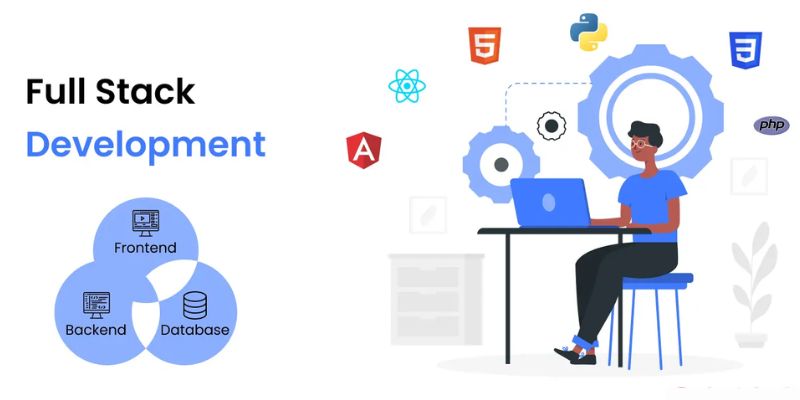
Creating a strong portfolio as a full stack developer is one of the most important steps in landing your dream job or getting freelance clients. A good portfolio shows your skills clearly, helps you stand out from the crowd, and builds trust with employers. Taking a Full Stack Developer Course in Coimbatore can guide you in understanding how to effectively structure and present your skills. Instead of just listing the technologies you know, your portfolio should highlight how well you can solve real-world problems using both front-end and back-end tools. Whether you’re a beginner or an experienced coder, building a portfolio the right way can open doors to exciting career opportunities.
Start with the Basics
The first thing you need in your portfolio is a clean and professional website that reflects your personal brand. It doesn’t have to be flashy or complex, but it should be well-structured and easy to navigate. Make sure it has a short introduction about you, a resume section, contact information, and of course, links to your projects. This is the base that shows you can build something complete from start to finish.
Show Your Skills Through Real Projects
Your projects are the heart of your portfolio. Instead of using sample or tutorial projects, create things that solve actual problems. For example, a to-do list is okay when you are learning, but building a project management app or a blog with user accounts and comments is much better. These kinds of projects prove that you understand how the front-end connects with the back-end and how to manage a complete application.
Include a Variety of Technologies
As a full stack developer, you need to showcase both front-end and back-end skills. Try to include different projects that use technologies like HTML, CSS, JavaScript, React, Node.js, Express, MongoDB, or SQL. This variety shows that you are flexible and know how to use the right tools for different jobs. You don’t need to use all technologies in one project, but showing a good mix across your portfolio will be helpful.
Add GitHub Links and Code Samples
Employers and recruiters often want to see your actual code. A Full Stack Developer Course in Madurai often includes version control and GitHub practices that help you manage and share your code effectively. Include links to your GitHub repositories where they can find clean, well-documented, and organized code. Write helpful README files that explain how to run your project, what it does, and what technologies it uses. This shows you care about quality and that you can work in a professional environment.
Write Project Descriptions
Simply listing a project name is not enough. Write short but clear descriptions for each project. Talk about what the project does, what problems it solves, which technologies were used, and what challenges you faced while building it. This gives context to your work and helps viewers understand the purpose and value of each project.
Highlight Teamwork and Collaboration
If you’ve worked on group projects, make sure to include them too. Teamwork is a key skill in software development, and showing that you can work well with others is a big advantage. Mention your role in the project, how you contributed, and how the team managed tasks and communication. This helps demonstrate that you are ready for real-world development environments.
Keep Your Portfolio Updated
A strong portfolio is never finished. As you learn more and build better projects, update your portfolio regularly. Taking a Full Stack Developer Course in Pondicherry keeps you up-to-date with the latest tools and trends, which you can then reflect in your portfolio. Remove old projects that no longer reflect your skills and add newer, more advanced ones. Keeping your portfolio fresh shows that you are active, constantly learning, and serious about your career.
Make It Personal and Unique
Adding a personal touch can make your portfolio more memorable. Share your journey, talk about why you love coding, or include a short blog about your learning process. When people see your passion, it creates a connection and helps them remember you. Just make sure everything still looks professional and easy to understand.
Optimize for Mobile and Performance
Since many users may view your portfolio on a phone or tablet, make sure it looks good and works well on all devices. Use responsive design so that your website adjusts smoothly to different screen sizes. Also, check the loading speed and fix any bugs to create a smooth experience for your visitors.
Building a strong full stack developer portfolio is about more than just showing what you’ve built-it’s about showing how you think, how you solve problems, and how you continue to grow. A Full Stack Developer Course in Tirupur provides you with the tools, knowledge, and guidance to build a portfolio that truly reflects your potential. By combining technical projects with clear explanations, variety in tools, and a personal touch, you can make a lasting impression on anyone who visits your site. Keep improving, stay updated, and treat your portfolio like a living reflection of your skills and passion.
Also Check:
What Are the Best Programming Languages for Full Stack Development?
